
From Reebok to SSS: the N13 Pulsar
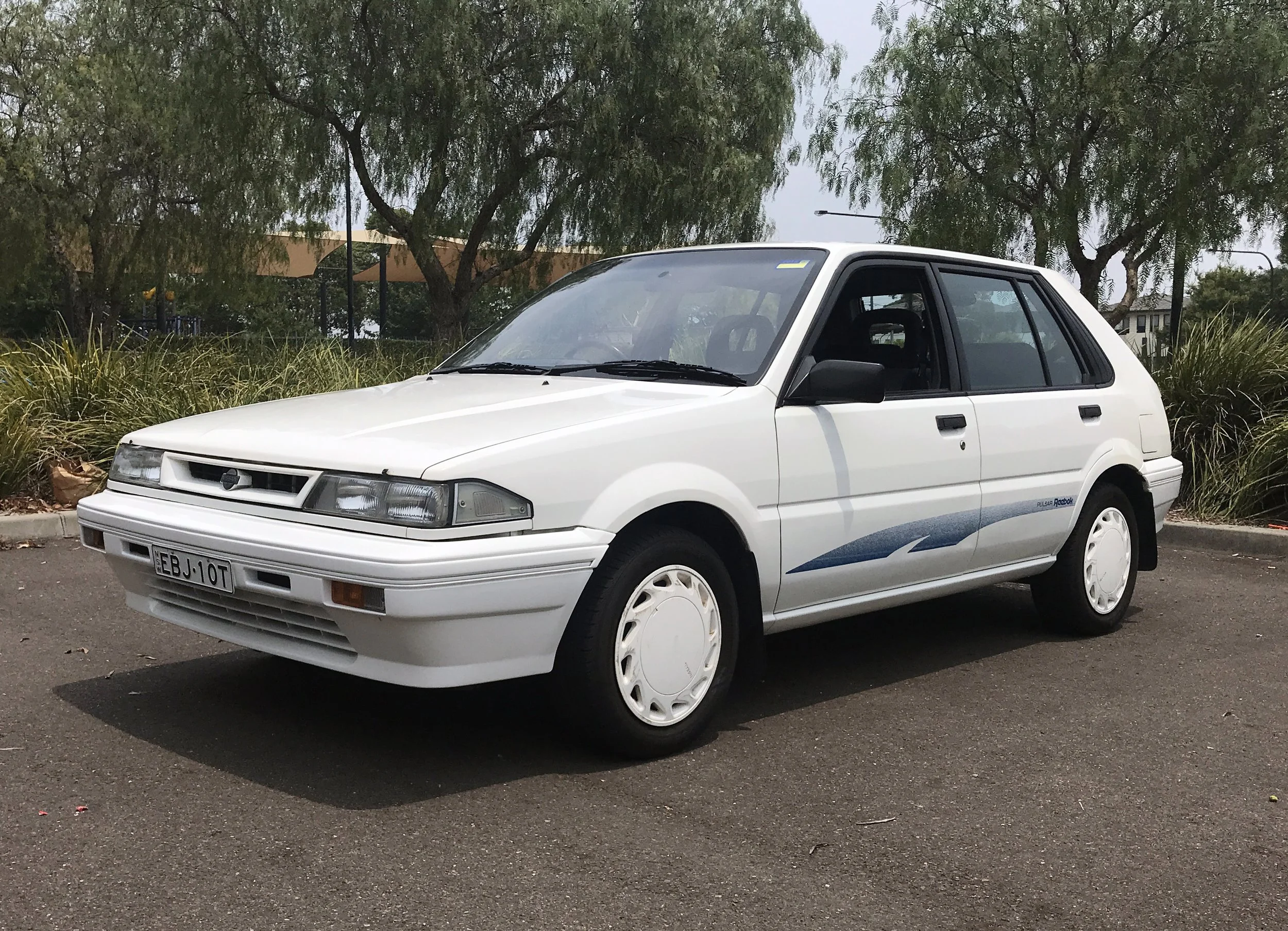
For some reason, I've always had a thing for the boxy design of the late '80s Nissan Pulsar.
A friend's sister had a red Pulsar Sport hatch when I was at school, and I loved being driven around in it. She drove it like a sports car, it wasn't particularly powerful, but it felt light and was fun.
That memory stuck with me.
Today, the N13 Pulsar has largely disappeared from Australian roads. That's easy to forget because these were once everyday cars, built right here in Victoria and found in driveways everywhere.
And perhaps that's part of what makes them interesting now.
An Australian built Nissan
The N13 arrived during a very different period of the Australian car industry.
Pulsars were being built at Nissan's Clayton plant in Victoria, alongside locally produced Nissans including the Skyline and Pintara. The Pulsar was also caught up in the model sharing era of the Button Car Plan, with versions of the N13 sold in Australia as the Holden Astra.
Small cars were big business. In 1990, the segment accounted for around 28 per cent of Australian passenger car sales, with the Pulsar competing against cars such as the Toyota Corolla, Ford Laser and Mazda 323.
At the more interesting end of the market were cars such as the Corolla Twin Cam, Laser TX3 and the Pulsar SSS.
The N13 also arrived near the end of Nissan's time as an Australian vehicle manufacturer. Local Nissan vehicle production would cease in 1992, making surviving Australian built Pulsars a small piece of a manufacturing industry that has now disappeared altogether.
My $1,500 Reebok
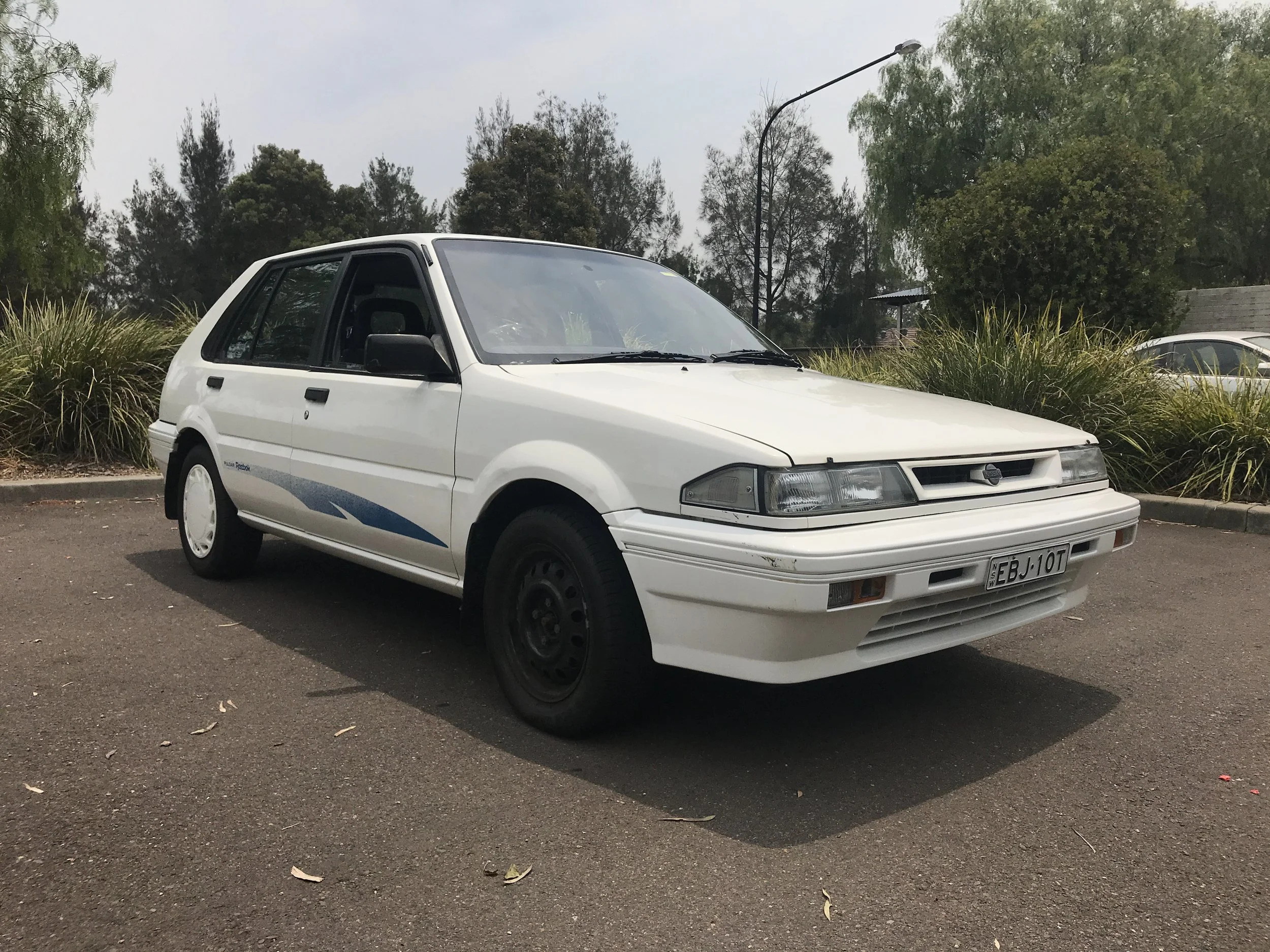
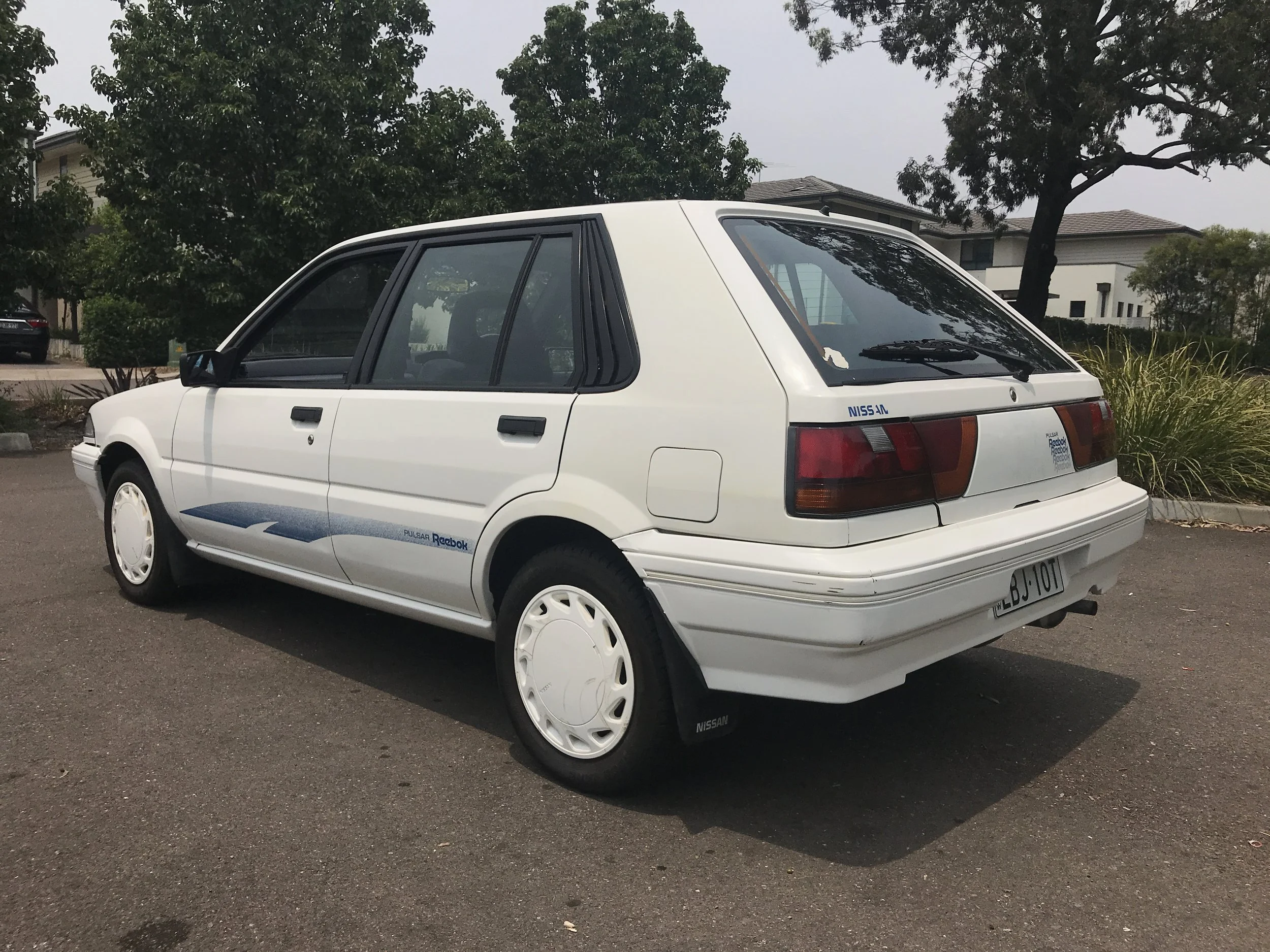
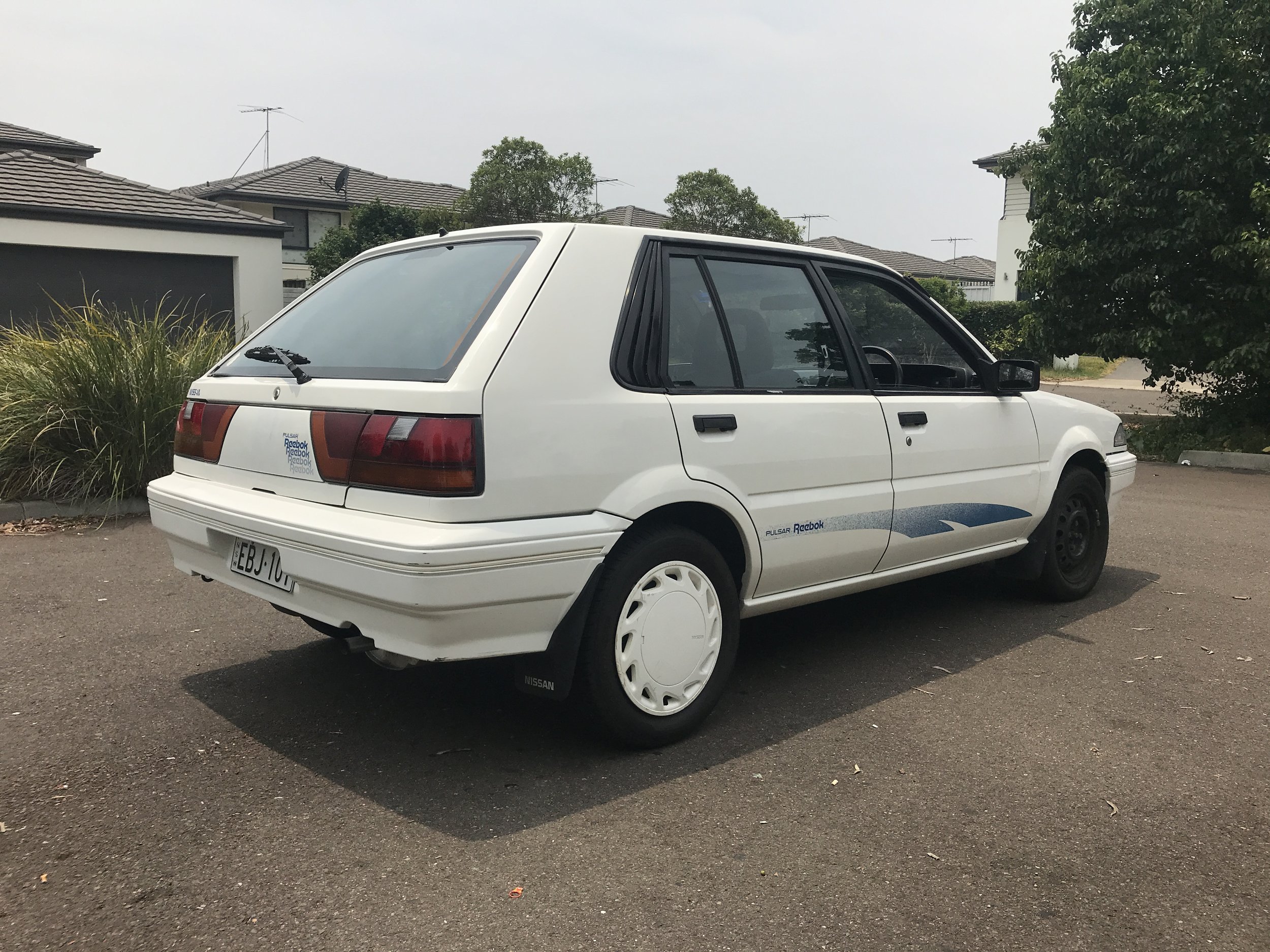
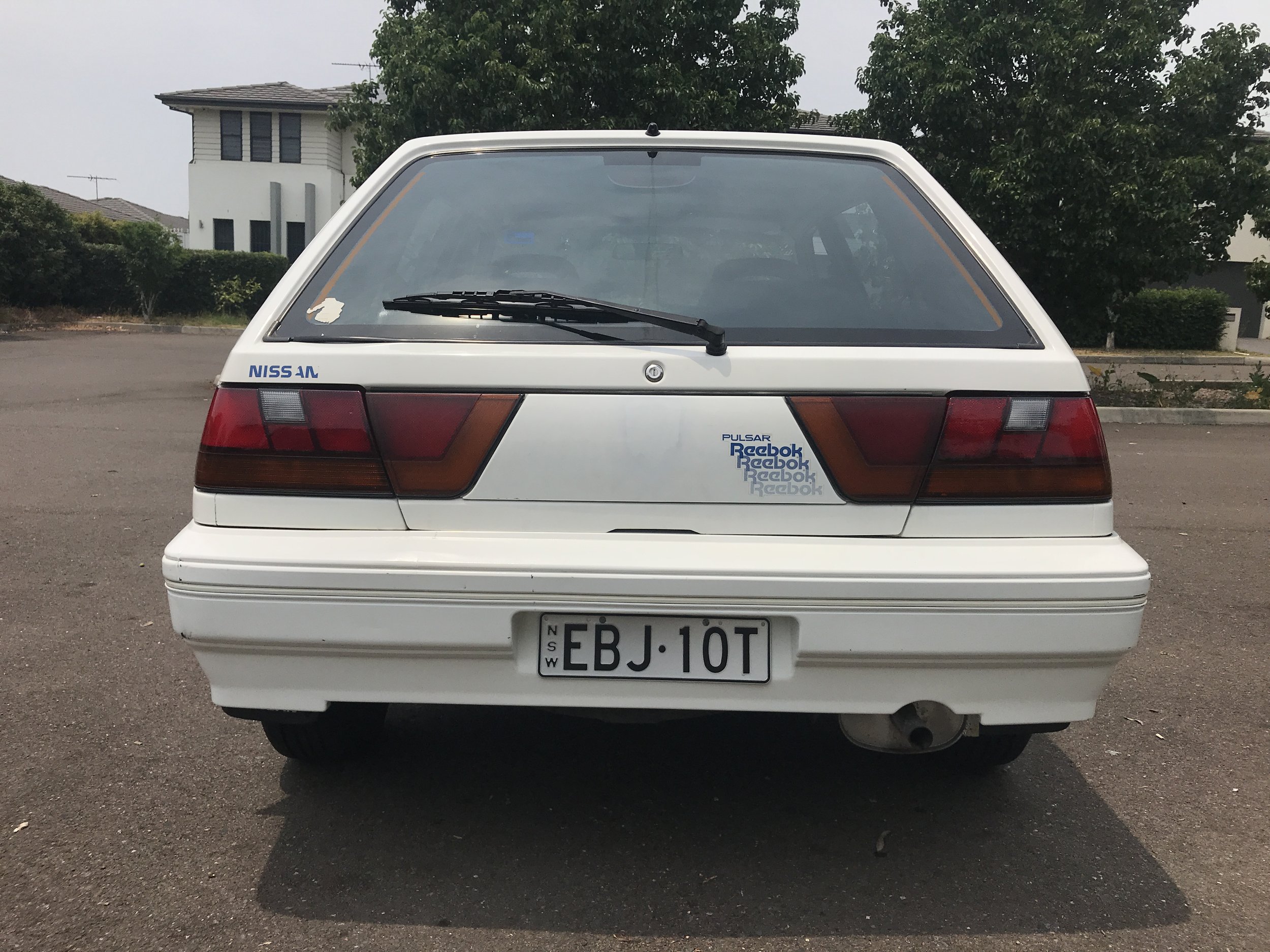
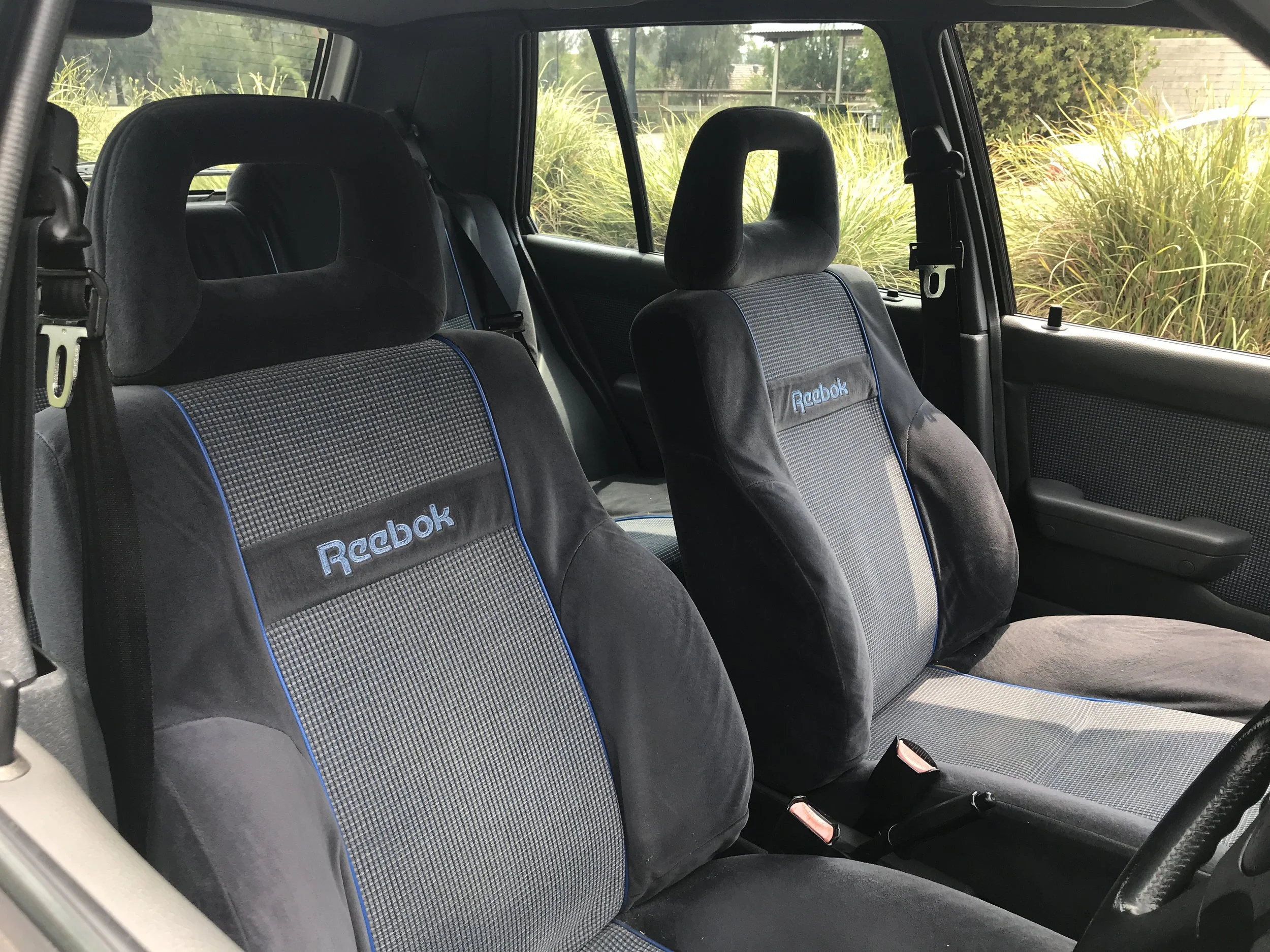
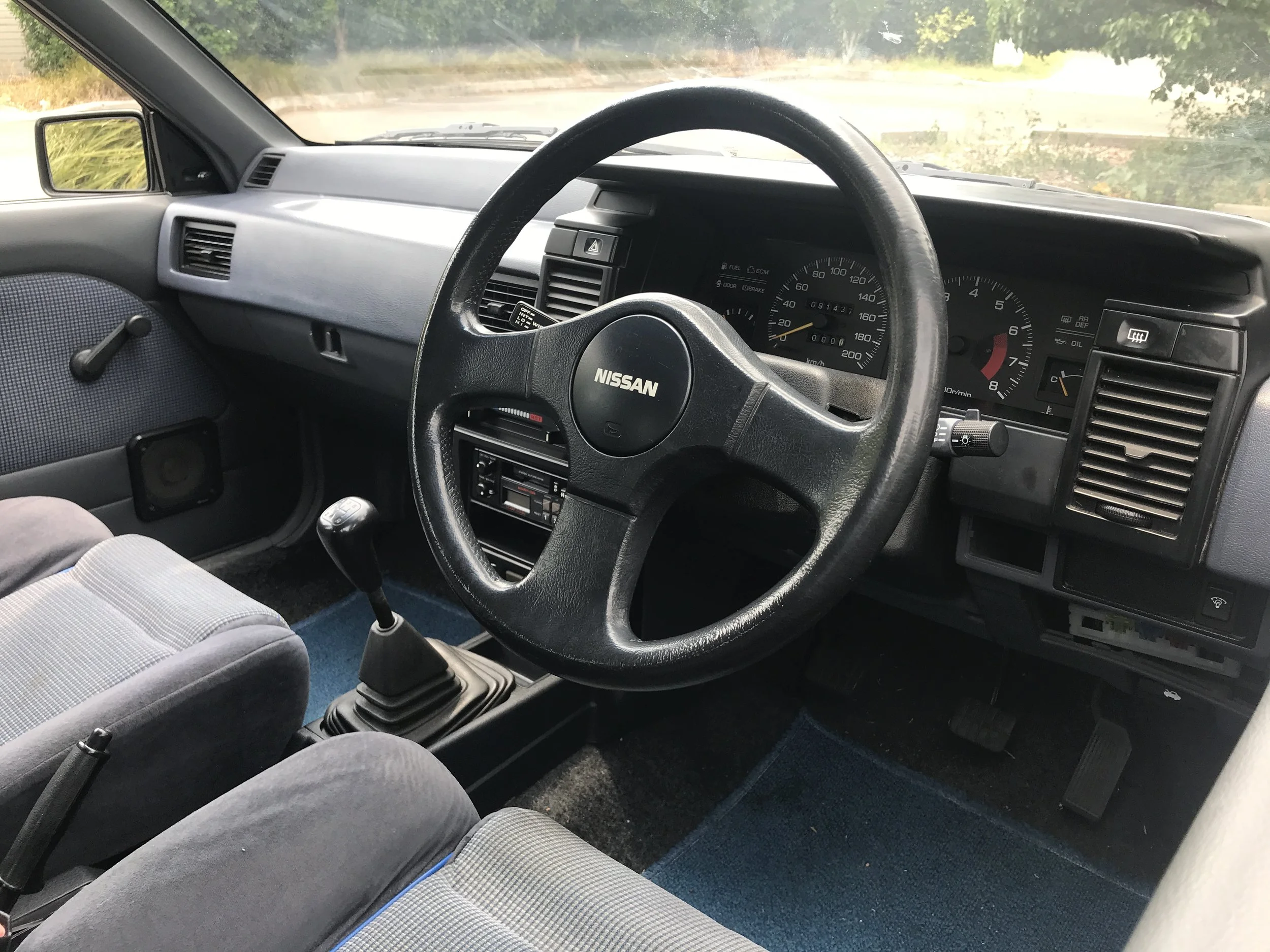
Fast forward to 2018 and I found myself searching for an N13 Pulsar Reebok.
I eventually found a 1990 manual hatch not far from where I was living at the time. It was in reasonable condition, needed some TLC and, at $1,500, was cheap enough that I bought it.
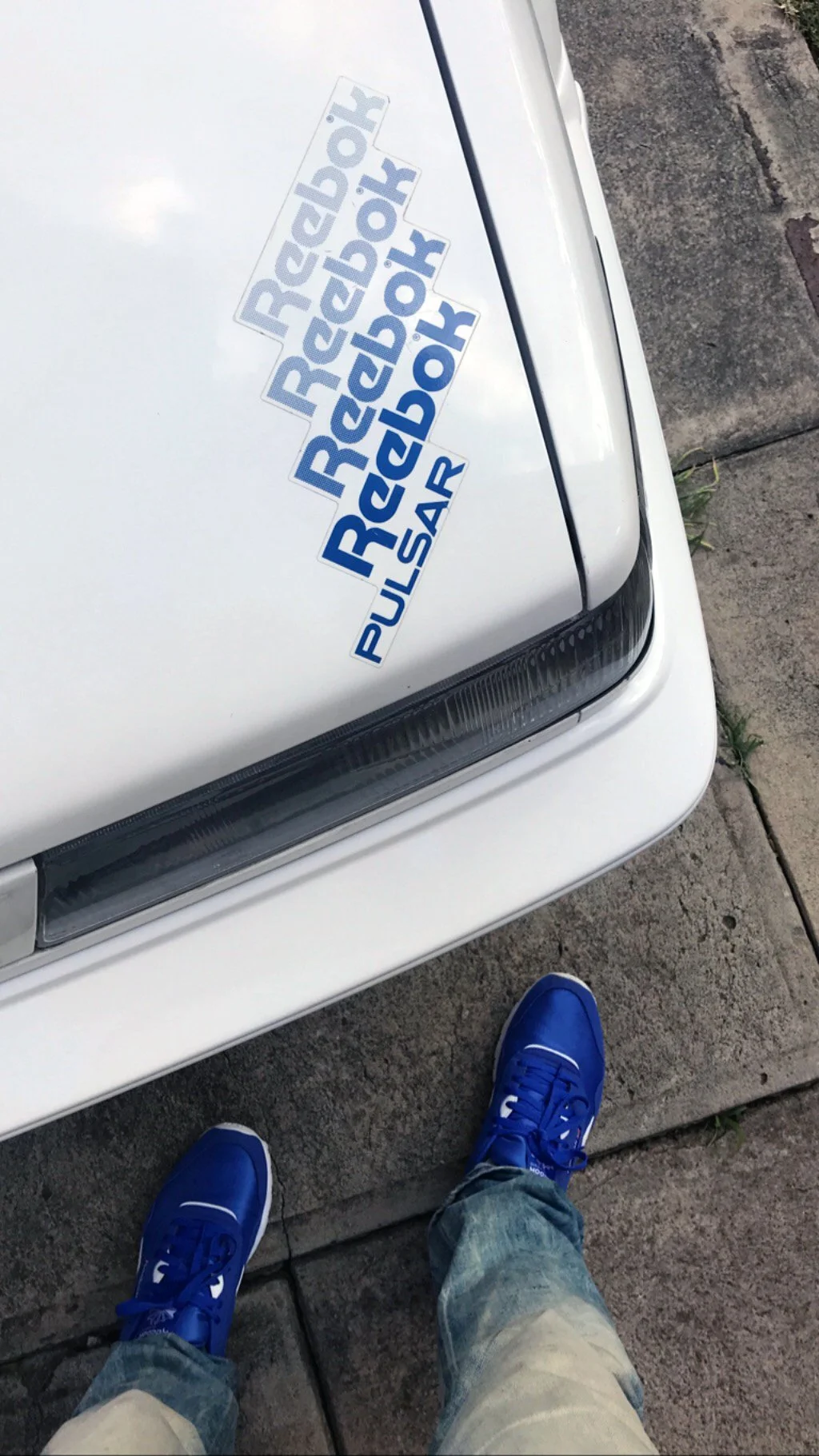
The Reebok itself is such a wonderfully 1990 car. Nissan took an ordinary Pulsar and created a special edition tied to one of the biggest sporting brands of the era, complete with distinctive graphics.
I had it for less than a year though.
Not because I didn't like it, but because I found the N13 I really wanted.
Finding the SSS
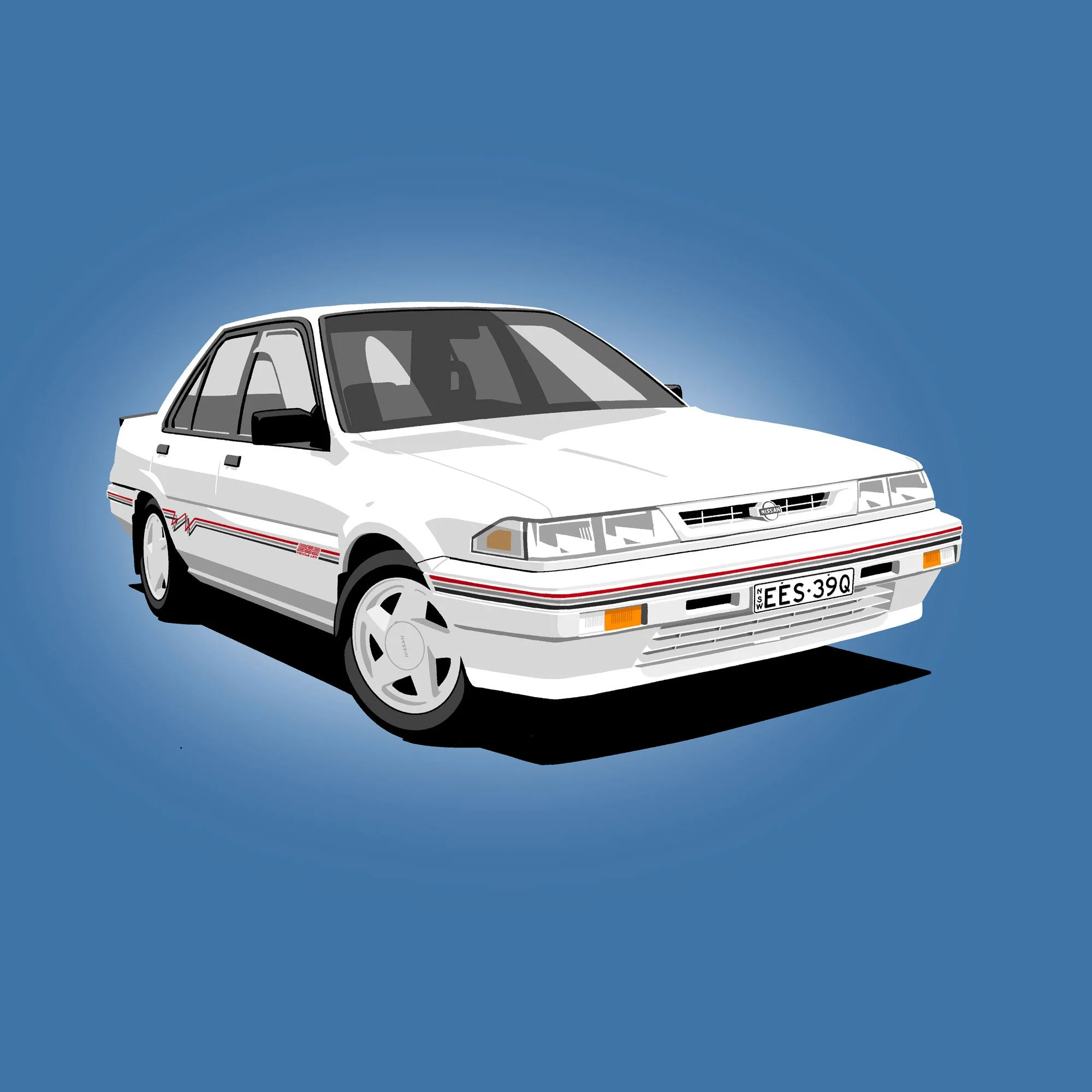
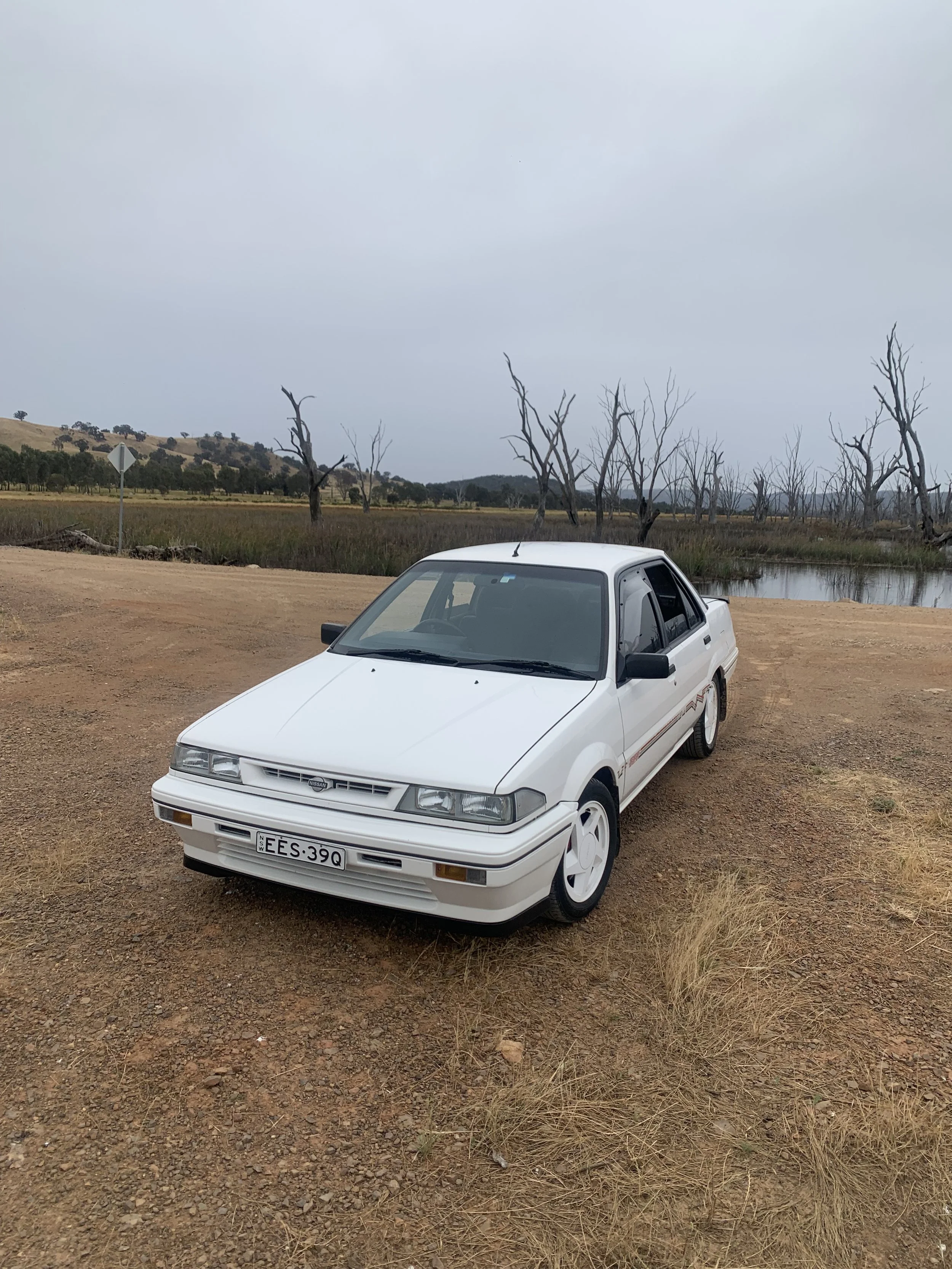
A Pulsar Vector SSS came up for sale in Queensland while we were planning a road trip to Brisbane.
We stopped to look at it on the way home.
It was rougher than the Reebok, but I knew I wanted it.
A week or so later, I flew back to Queensland, collected the car and drove it home.
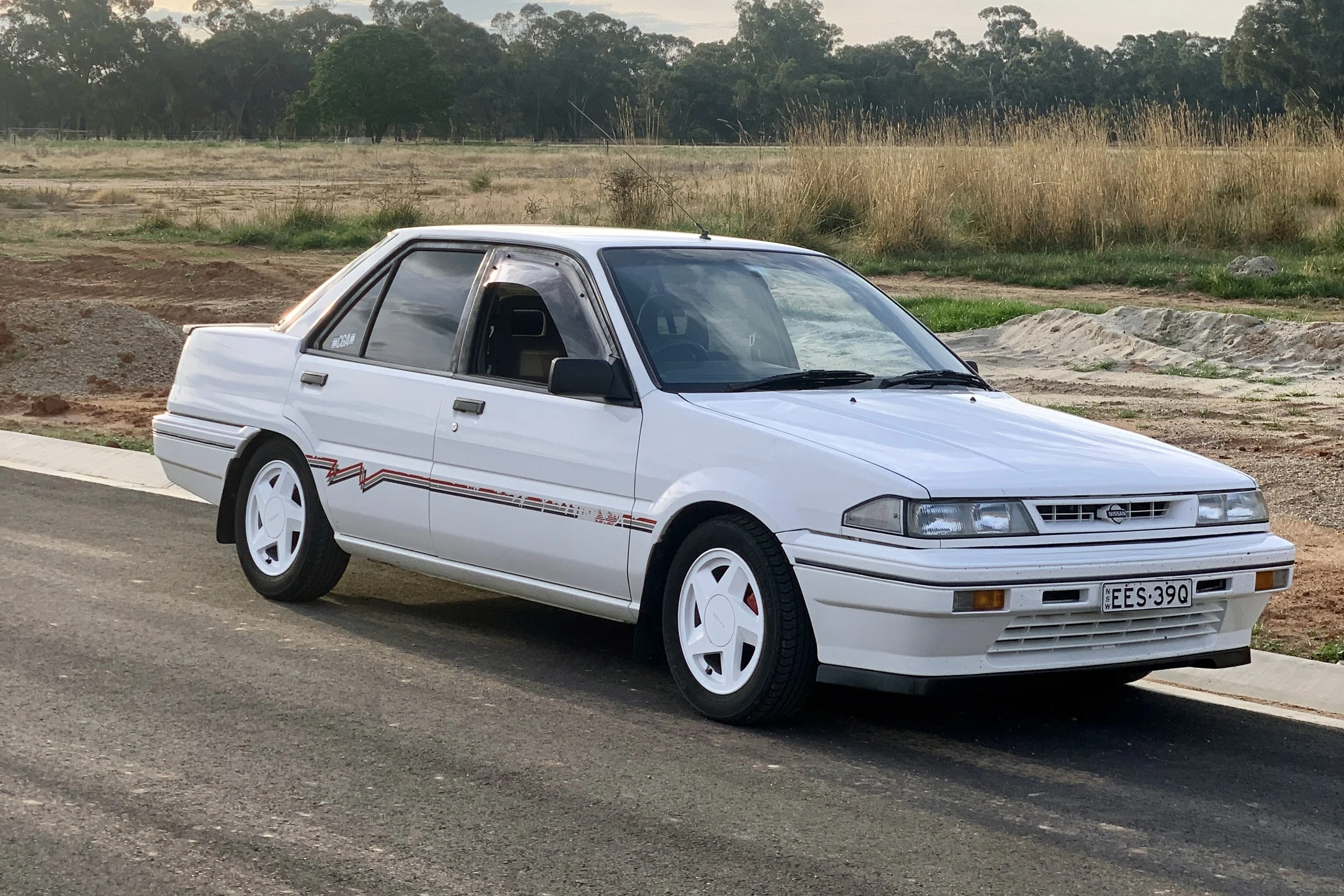
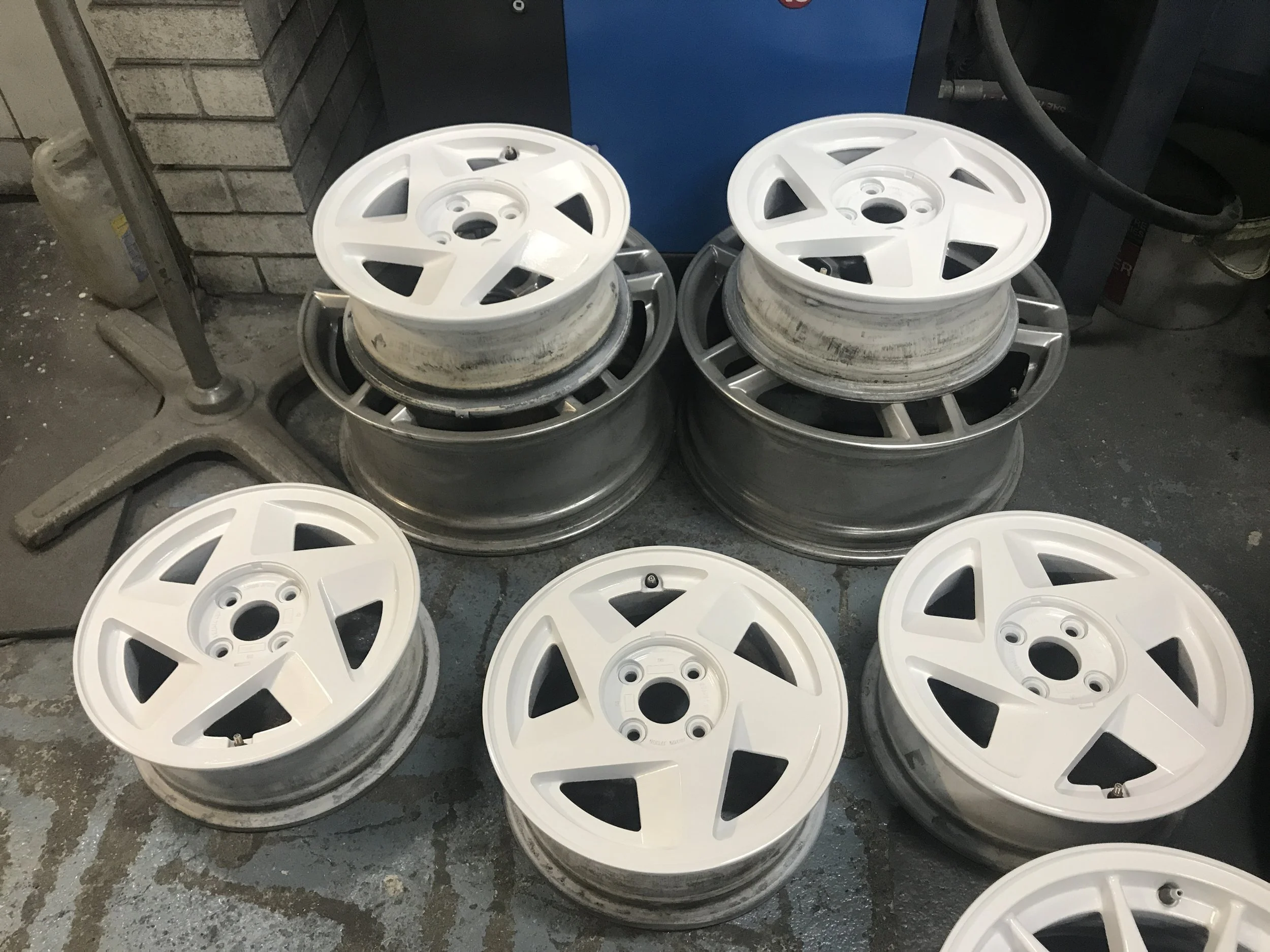
The SSS is everything I like about late '80s Japanese and Australian car design. It's unapologetically boxy, covered in period graphics and has those fantastic directional alloy wheels.
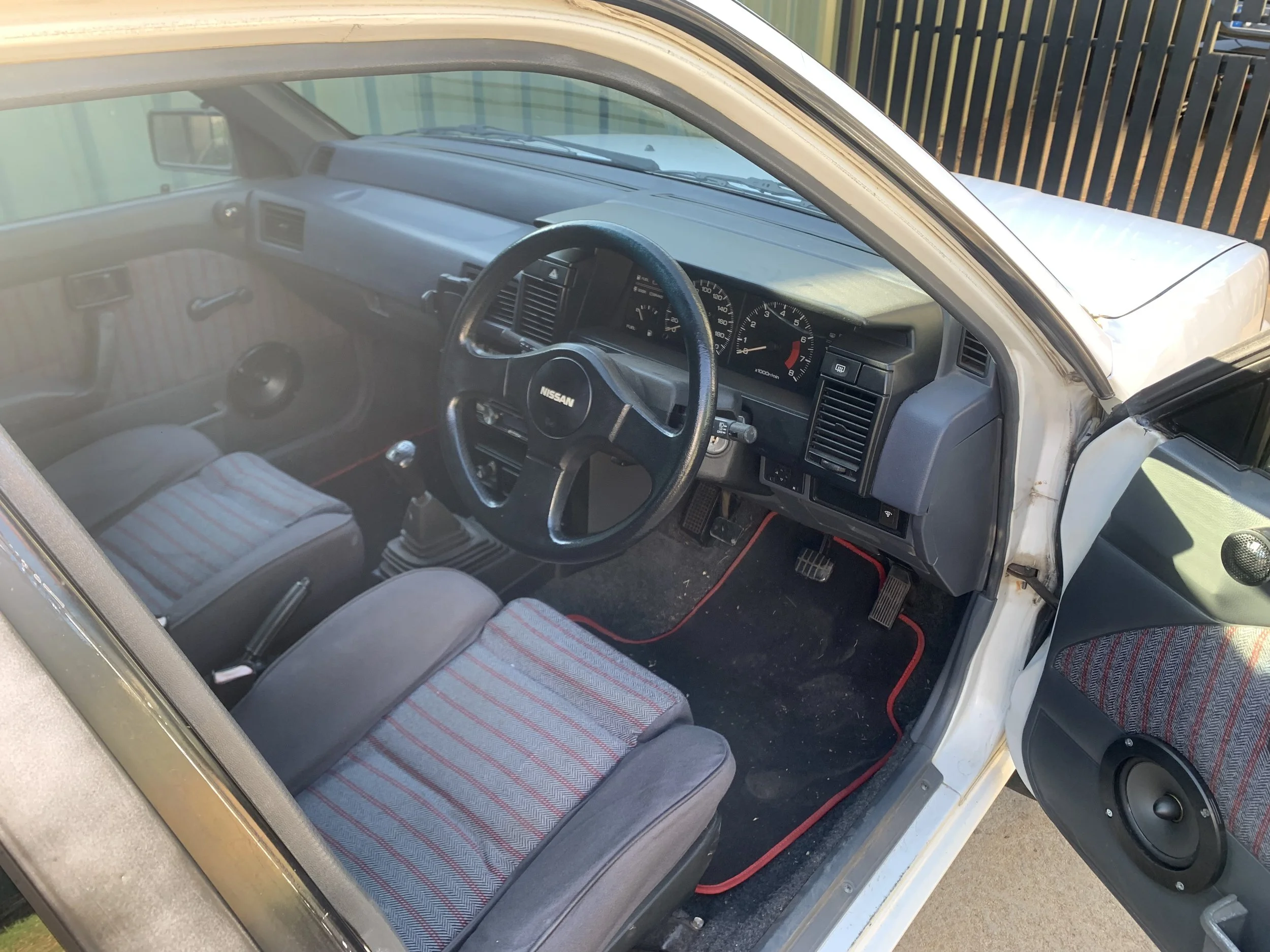
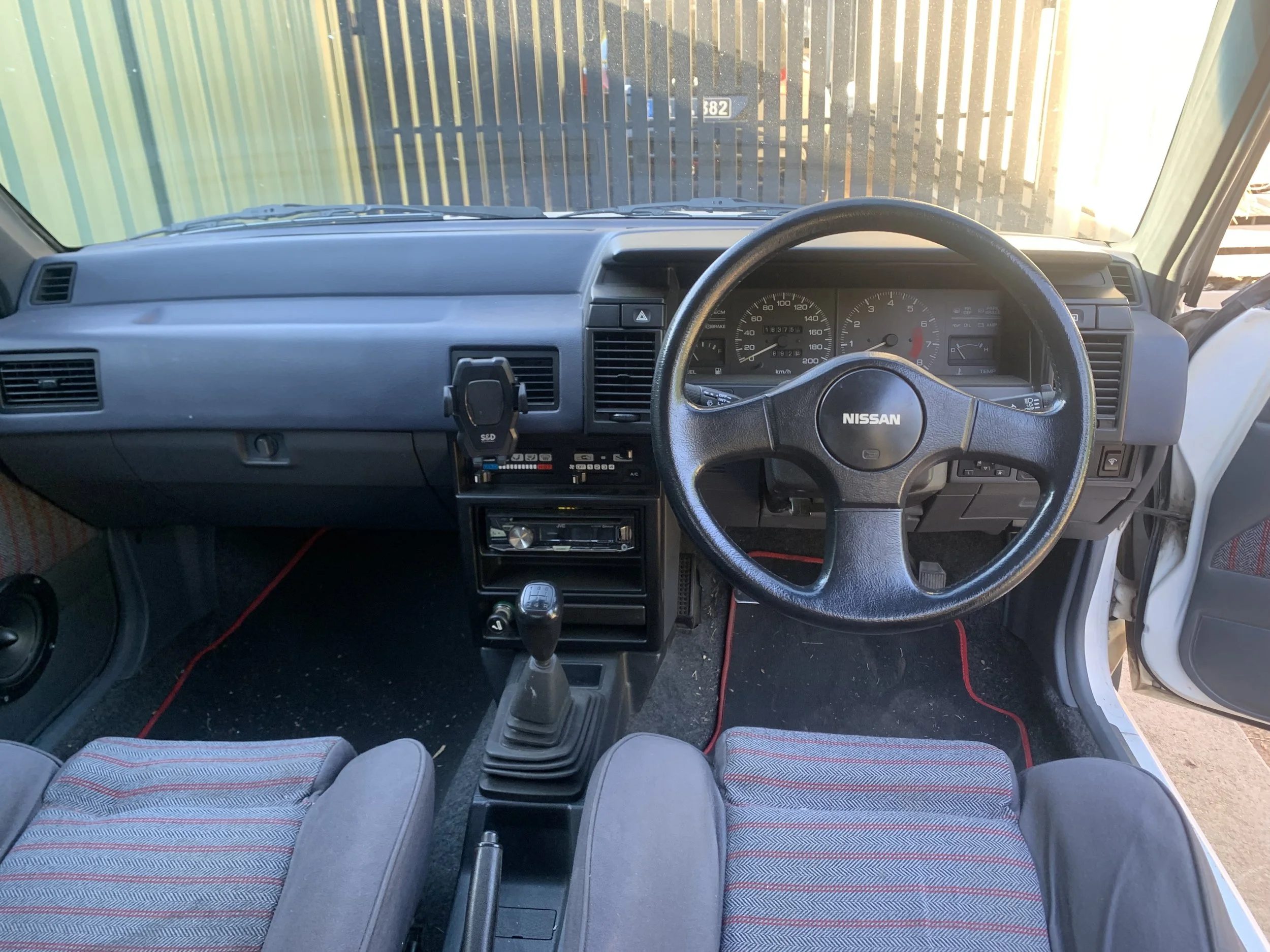
Inside, there's a three spoke steering wheel and patterned fabric that immediately places it in its era. The interior also has an interesting connection to another Australian built Nissan I own, the R31 Skyline Silhouette, with a very similar fabric design used across both cars.
These little details are a big part of why I like it.
The SSS isn't particularly powerful, and that's part of its appeal.
It's light, easy to throw around and likes being revved and it becomes a genuinely entertaining little car.
I've had mine on track at both Pheasant Wood and Winton Motor Raceway, and that's where its character really makes sense. It handles well and you can enjoy pushing it without travelling at ridiculous speeds. I spend most of the time bracing myself trying not to slide out of the seat around corners.
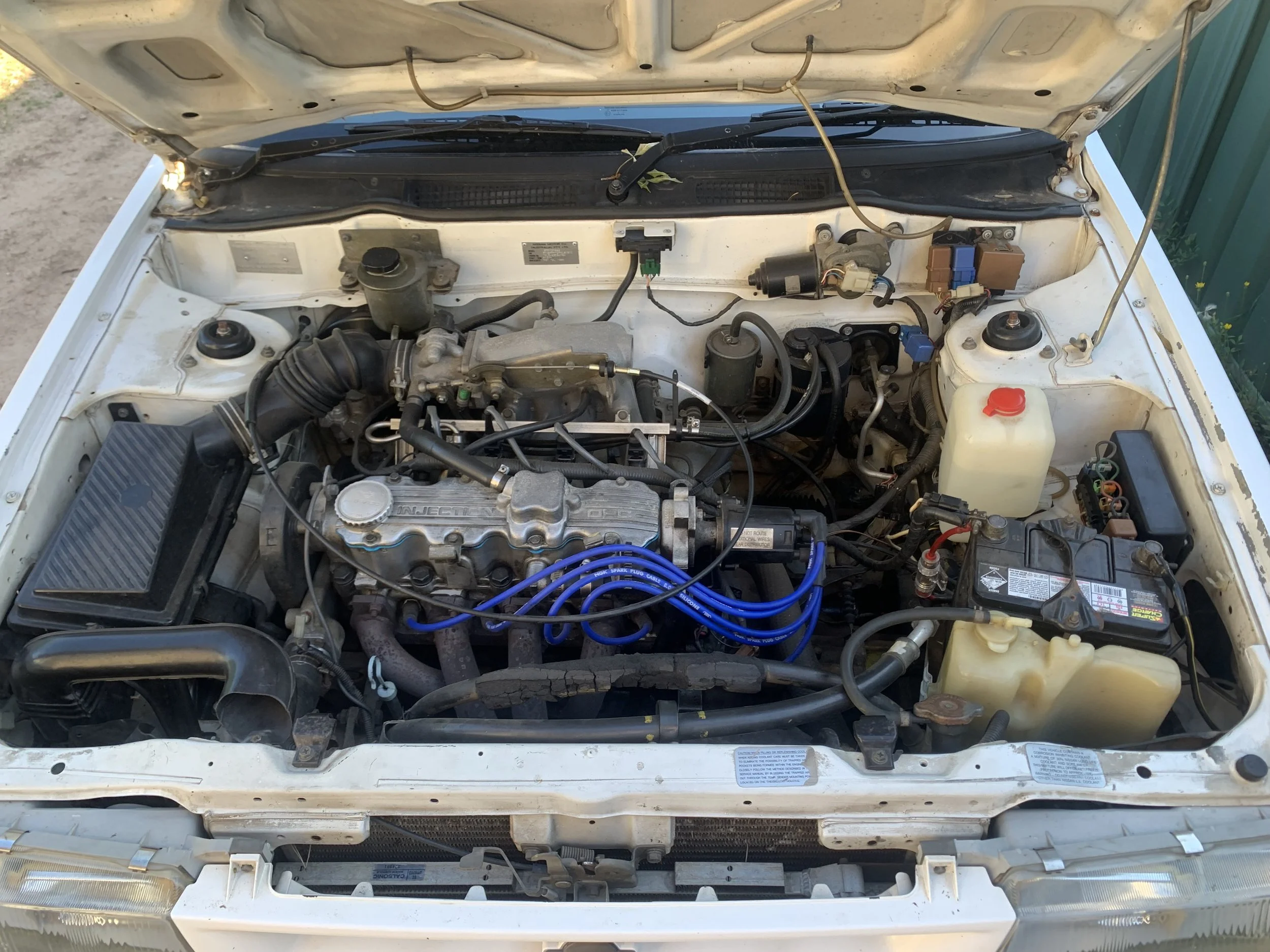
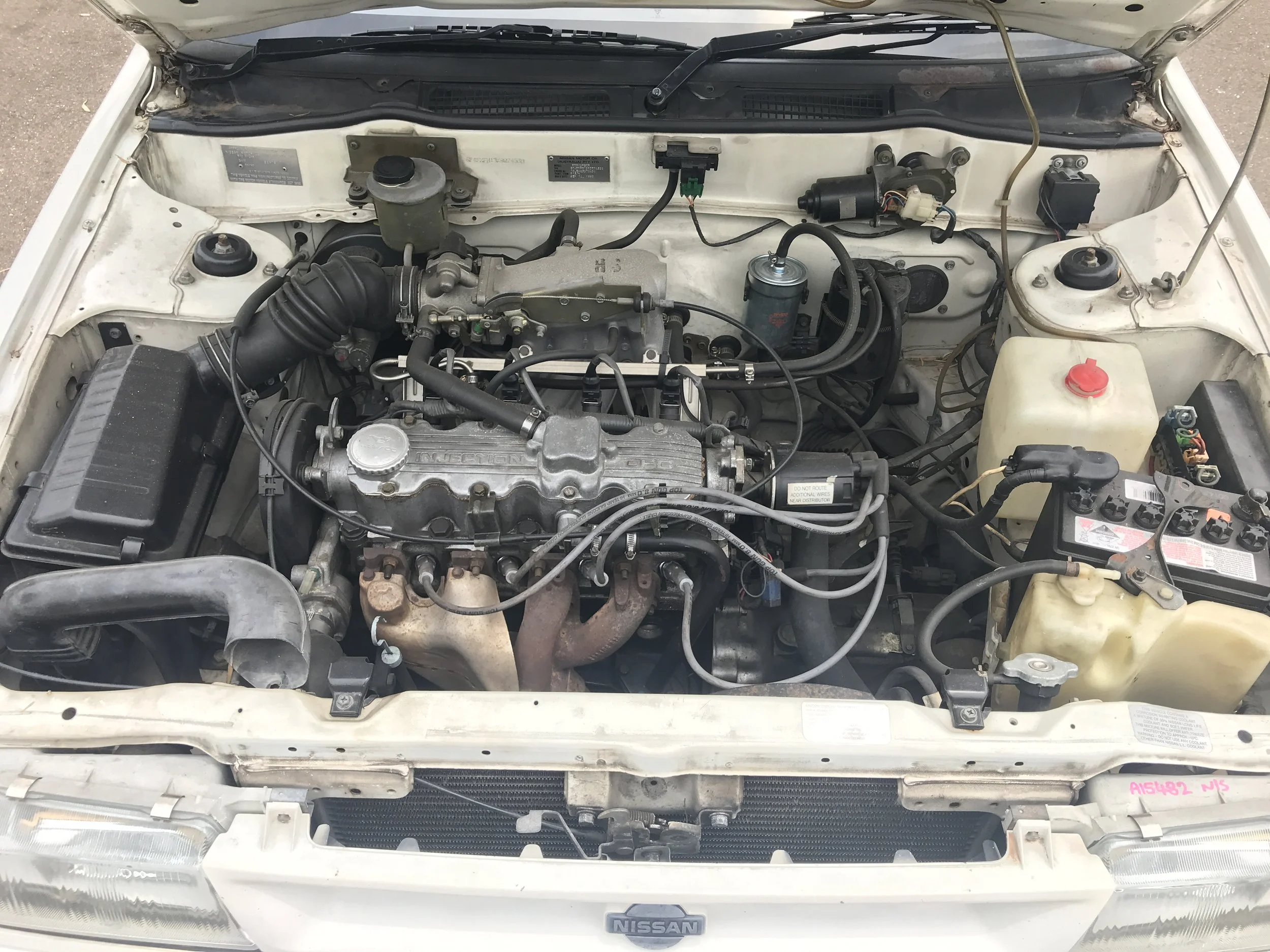
The Holden sourced 1.8 litre engine is also relatively simple, reliable and easy to work on. I've fitted extractors to a larger exhaust, which has given it a great sporty rasp adding to the character of the car.
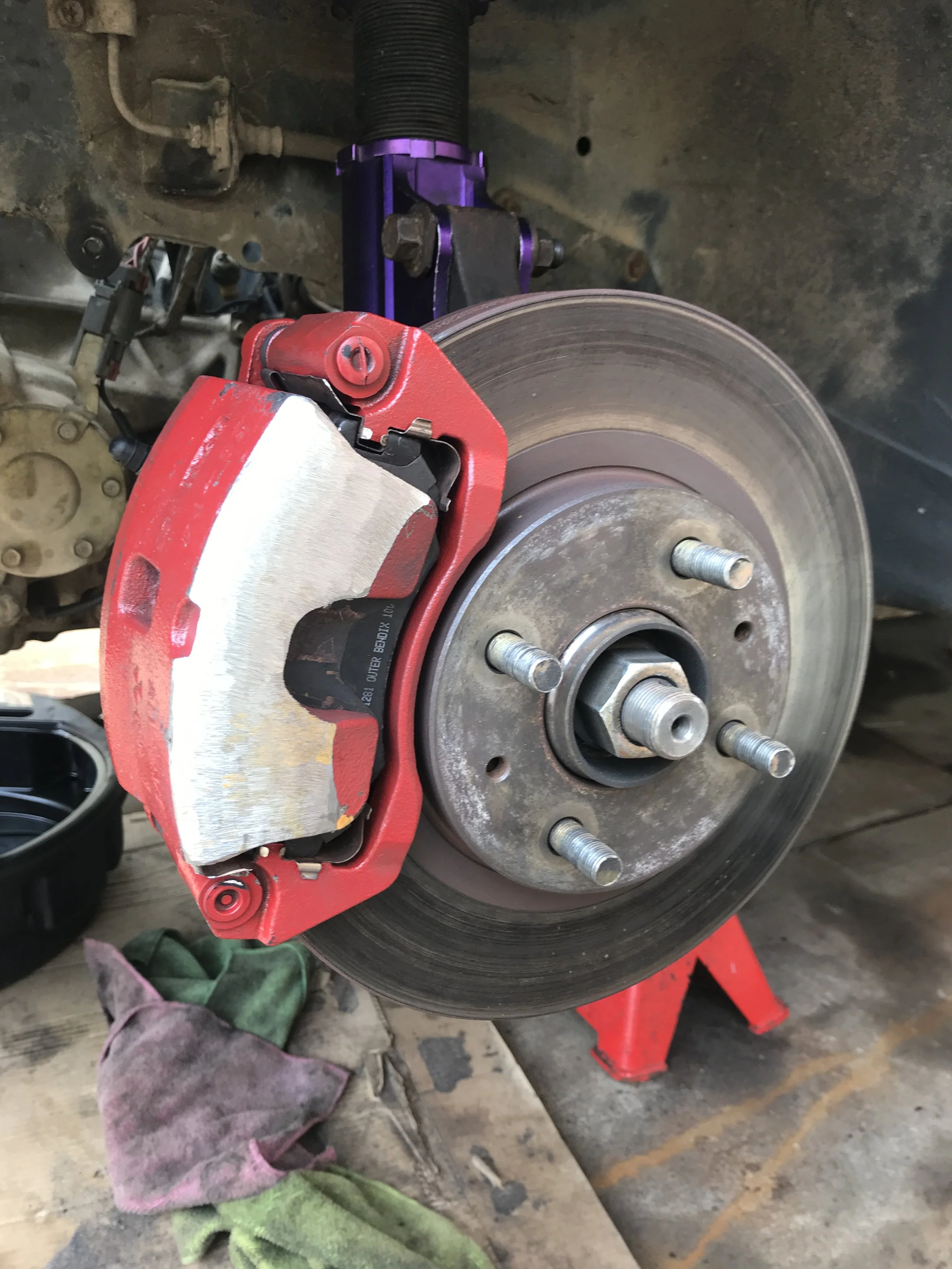
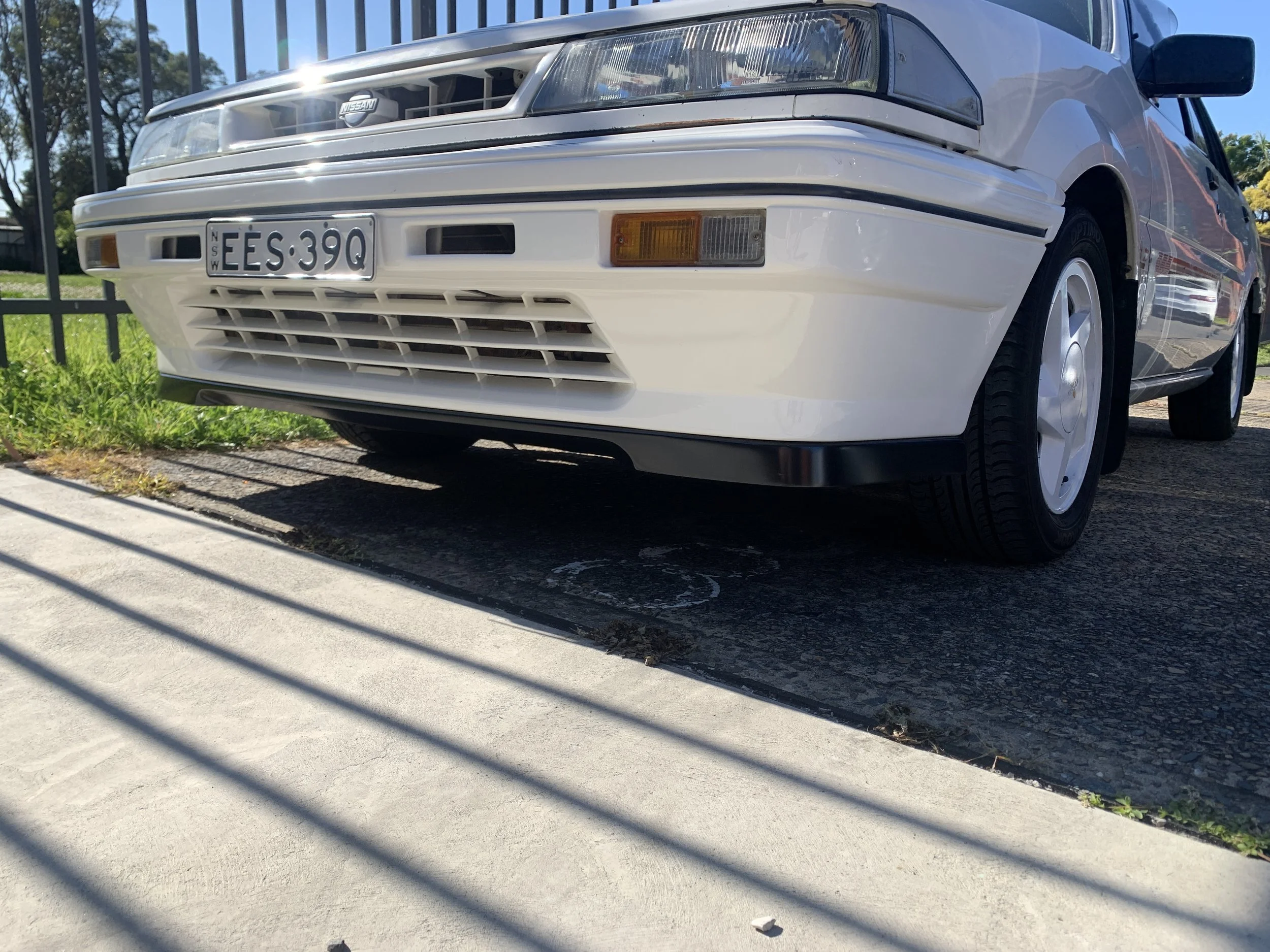
I've also upgraded the brakes using N15 SSS components, fitted new Pedders suspension, refurbished the original directional wheels and made a new front lip by recycling part of another front bumper.
It's still very much an N13, just a slightly better version of one.
Definitely from another era
Of course, living with a 36-year-old Pulsar isn't all nostalgic bliss.
The air conditioning doesn't work. There's no cruise control, which I've discovered can result in a fairly aching right foot on a long journey. The ergonomics aren't brilliant and there's very little of the comfort or technology we now take for granted.
But it's basic in a good way.
Visibility is excellent. It's economical. Mechanical things are relatively easy to understand and work on. And because it's light and uncomplicated, even an ordinary drive can be enjoyable.
The N13 Pulsar was never an exotic car.
That's really the point.
It represents a period when cars like the Pulsar, Corolla, Laser and 323 filled Australian roads, and when Nissan was still manufacturing cars in Melbourne.
There's even a motorsport footnote to the story, with specially prepared N13 Pulsars by SVD, were used in celebrity races supporting the Australian Grand Prix in Adelaide. The SSS name would go on to develop a much stronger competition reputation with the following N14 generation in Australian production car racing.
Today, though, even seeing a tidy N13 on the road is unusual.
Mine gets attention partly because people remember them. Someone had one. Their parents had one. Their friend had one.
For me, it takes me straight back to that red Pulsar Sport I remember from school.
It's not particularly fast, sophisticated or valuable.
It's just light, boxy, slightly flawed and fun.
And that's exactly why I still love it.